Understanding Window Tinting
Window tinting has become increasingly popular among vehicle owners and homeowners looking to enhance their comfort and privacy. However, navigating the world of window tinting can be overwhelming without proper understanding. This guide will demystify window tinting, explore its various types, and outline the benefits you can expect by searching for window tint near me.
What is Window Tint?
Window tinting involves applying a thin film to the glass surface of vehicles, homes, or buildings. This film is typically made of polyester and is designed to reduce glare, heat, and UV radiation, all while adding an aesthetic appeal. Window tint can be found in various shades and can significantly enhance your privacy by making it difficult for outsiders to see inside.
Types of Window Tint
There are several types of window tint available, each offering unique benefits:
- Dyed Window Tint: This is one of the most affordable options, where dye is applied to the film. While it provides basic UV protection and aesthetics, it may not be as heat-resistant as other options.
- Metalized Window Tint: Incorporating metal particles, this type reflects heat and UV rays. Metalized tints are more durable but may interfere with electronic signals.
- Carbon Window Tint: Carbon film is known for its ability to block infrared rays without the shiny appearance of metal tints. It provides UV protection and is less likely to fade over time.
- Ceramic Window Tint: The premium choice, ceramic tints are non-metallic and do not interfere with signals, offering excellent heat rejection and UV protection while being highly durable.
Benefits of Window Tint Near Me
Choosing to install window tint offers numerous benefits:
- Enhanced Privacy: Tinted windows deter prying eyes while maintaining visibility from the inside.
- Heat Reduction: Window tints effectively lower vehicle or room temperatures, enhancing comfort, particularly during summer.
- UV Protection: Tinted film blocks up to 99% of harmful UV rays, protecting your skin and reducing the risk of skin cancer.
- Improved Aesthetics: Tinted windows provide a sleek, stylish look that enhances the overall appearance of your vehicle or home.
Choosing the Right Window Tint
Selecting the right window tint can be a daunting task. By understanding various factors and avoiding common pitfalls, you can ensure a satisfying choice.
Factors to Consider When Selecting
When choosing a window tint, consider the following factors:
- Legal Regulations: Each state has specific laws governing the permissible tint levels in vehicles. Be sure to check local regulations to avoid fines.
- Climate: If you reside in a hotter area, selecting a tint that offers better heat rejection should be a priority.
- Purpose: Consider what you seek from window tinting—privacy, style, UV protection, or heat resistance.
- Durability: Choose a tint that guarantees longevity. Higher-quality films tend to withstand wear better than cheaper alternatives.
Common Mistakes to Avoid
Many individuals make mistakes when selecting window tint, including:
- Ignoring Laws: Failing to check local tint laws can lead to unexpected fines or the necessity to remove the tint altogether.
- Choosing Based Solely on Price: Opting for the cheapest option can result in poor quality and inadequate performance.
- Overlooking Professional Installation: Attempting DIY installation can lead to improper application and bubbles forming within the film.
Consultation Tips for Window Tint Near Me
When consulting with professionals for window tinting:
- Ask Questions: Inquire about the types of films available and their benefits.
- Request Samples: Examining physical samples can help visualize how your vehicle or space will look with tint.
- Discuss Warranty: Ensure that the warranty covers both the tint film and installation work.
Professional Installation Process
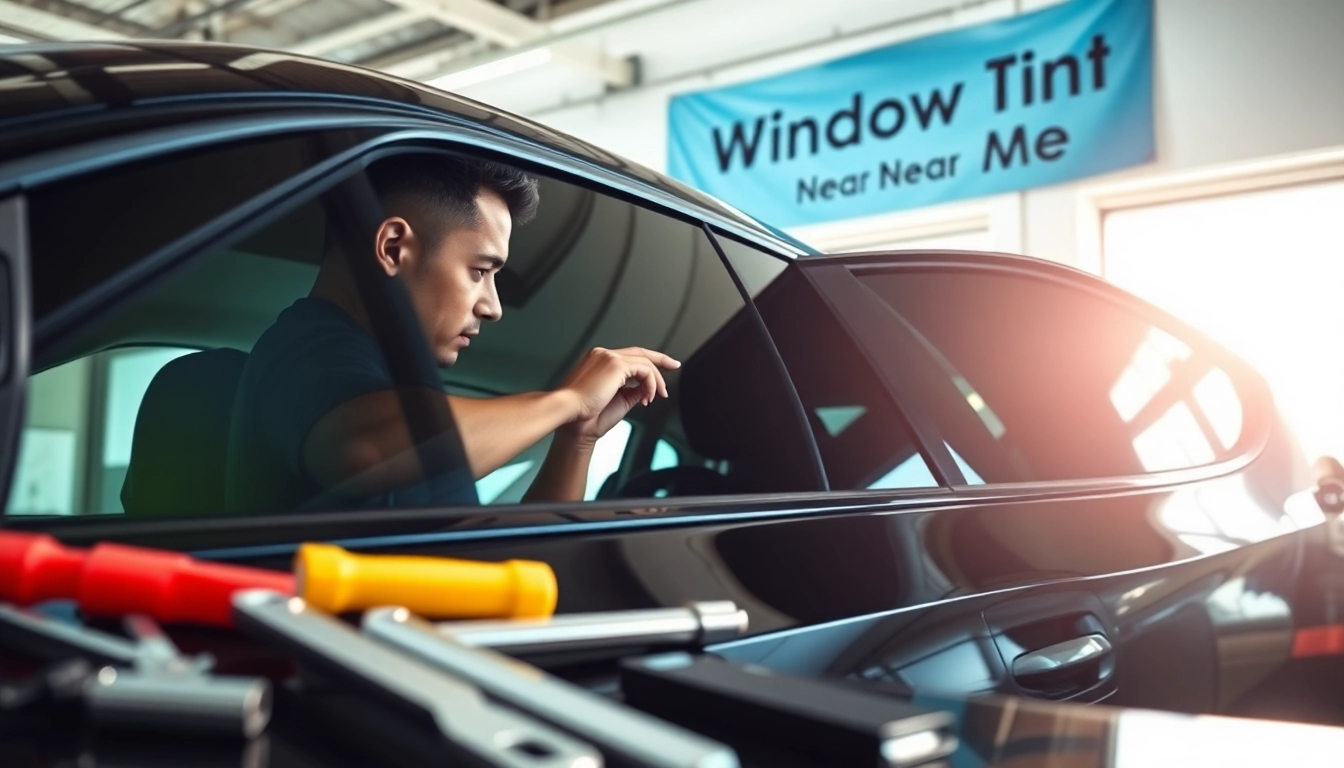
The installation of window tinting is a specialized process that, when done correctly, yields optimal results. Here’s a breakdown of the typical workflow.
Preparation and Application Steps
Professional installers generally follow these steps:
- Cleaning the Glass: All windows are thoroughly cleaned to remove dirt and grease that may cause bubbles.
- Measuring and Cutting: Film is precisely measured and cut to the shape of each window.
- Applying the Film: The film is applied using water or a special solution to facilitate repositioning before sealing.
- Smoothing Out Bubbles: Technicians use tools to ensure a smooth finish, eliminating air pockets.
Maintenance Tips Post-Installation
To maintain your window tint’s appearance and function:
- Avoid rolling down windows for at least several days after installation to ensure proper adhesion.
- Clean tinted windows with a soft cloth to prevent scratches; avoid ammonia-based cleaners.
- Monitor for bubbles or peeling, and contact your professional installer if issues arise.
Assessing Installation Quality
After the installation, evaluating the quality of the job is essential. Look for:
- Consistency in Tint: Ensure an even coloration across all windows.
- No Bubbles or Creases: The film should be smooth without any defects.
- Tight Edges: The film should adhere well to the edges of the window without peeling.
Cost and Value Considerations
Understanding the cost of window tint is crucial for making informed decisions. Here’s what you need to know about pricing and the value it offers.
Understanding Pricing Structures
Prices for window tinting can vary widely based on several factors:
- Type of Film: As mentioned, different materials come at varying price points.
- Vehicle Size: Larger vehicles typically require more film and thus increase installation costs.
- Installation Complexity: Curved windows or intricate designs may cost more due to the skill required.
Comparing Costs Among Providers
When seeking window tint near me, it’s important to compare prices among different providers:
- Request quotes from multiple installers to identify price ranges.
- Inquire about package deals or discounts that may be available for bundled services.
- Evaluate the reputation and reviews of providers to see beyond just price.
Value Beyond Price: Why Quality Matters
It’s tempting to choose the cheapest option; however, quality matters greatly in window tinting:
- High-quality films can last significantly longer, saving costs in replacements and repairs.
- Better installation ensures effectiveness in heat rejection and UV protection.
- A reputable provider may offer warranties or guarantees that protect your investment.
FAQs About Window Tint Near Me
Is window tint legal in my area?
Window tint legality varies by state. Check your local DMV or traffic authority for specific regulations regarding permissible tint levels.
How long does window tint last?
Quality window tints can last anywhere from 5 to 15 years, depending on the film type and installation quality.
Will window tint affect my visibility?
Properly applied window tint won’t significantly impact visibility but may cause glare reduction. Choose a light tint for better visibility.
Can I remove the window tint myself?
While it’s possible to DIY remove window tint, improper techniques can damage the glass. Professional removal is recommended for best results.
What are the different shades of tint available?
Window tints come in various shades, typically ranging from 5% (very dark) to 50% (light), allowing for tailored choices based on preference and regulations.