Home Security is no longer just about locks, alarms, and motion sensors. Today, it is a powerful mix of smart technology, artificial intelligence, mobile control, and cybersecurity. Families now protect their homes the same way they protect their phones and computers. At Deep Dive Picks, we believe that understanding these trends is the key to making smarter, safer choices. This article explores how Home Security is changing, why it matters, and how you can use these trends to protect your space better than ever before.
Modern homes are becoming smarter every year. Lights turn on by voice command, doors unlock from a phone, and security cameras send alerts in real time. Home Security has grown from a simple safety feature into a full protection ecosystem. These changes are not just about convenience. They are about keeping families safe in a world where both physical and digital threats exist.
Home Security in the Modern World
Home Security today is built on three major ideas: smart devices, constant connectivity, and intelligent monitoring. In the past, people relied on heavy doors, window bars, and loud alarms. While those tools still matter, they are now combined with smart systems that can see, hear, and think.
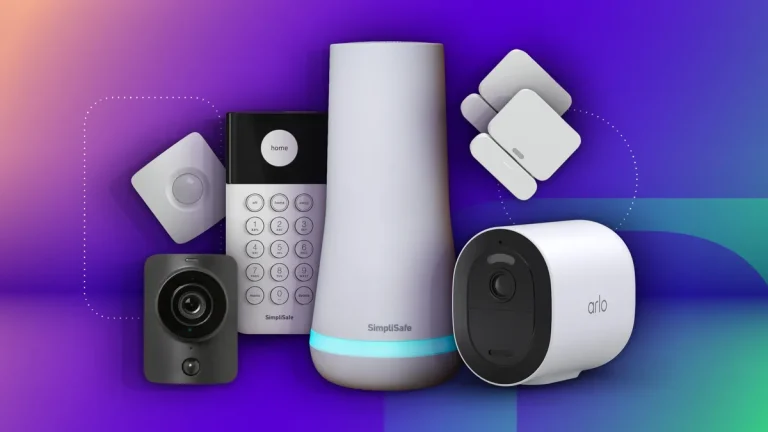
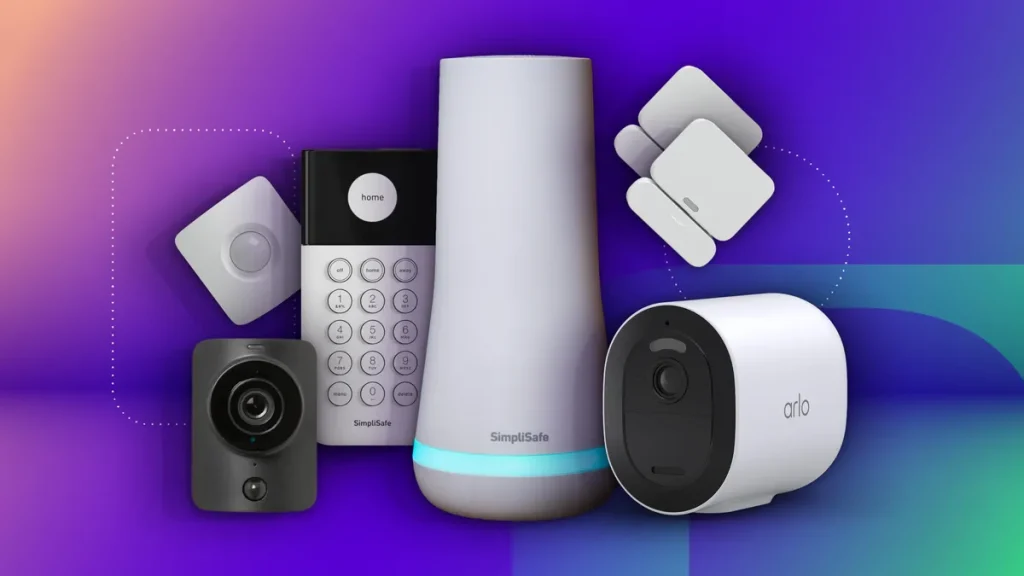
A modern Home Security system often includes:
- Smart cameras that stream live video
- Motion sensors that send instant alerts
- Smart locks that open with fingerprints or codes
- Doorbell cameras that show who is outside
- Mobile apps that control everything
This new type of Home-Security allows homeowners to monitor their property from anywhere in the world. A parent at work can check on their child at home. A traveler can see if a package was delivered safely. This real-time access has changed how people feel about safety.
Why Home Security Matters More Than Ever
Crime is not the only reason Home-Security is important. Fire, flooding, and even cyber threats now play a role. Smart smoke detectors can warn you about fire even if you are miles away. Leak sensors can stop water damage before it becomes a disaster. Home-Security now protects against many types of risks, not just break-ins.
In one real-life case, a family in Texas avoided a major fire because their smart smoke detector sent an alert to their phone while they were shopping. They called the fire department immediately, and the damage was limited to one room. This simple example shows how Home-Security can save both lives and property.
Smart Home Security Systems Are Leading the Way
Smart Home Security systems are now the center of modern protection. These systems combine many devices into one connected network. Everything talks to everything else. When a camera detects movement, it can trigger lights to turn on, alert your phone, and sound an alarm at the same time.
Key Features of Smart Home Security
Smart Home-Security systems usually offer:
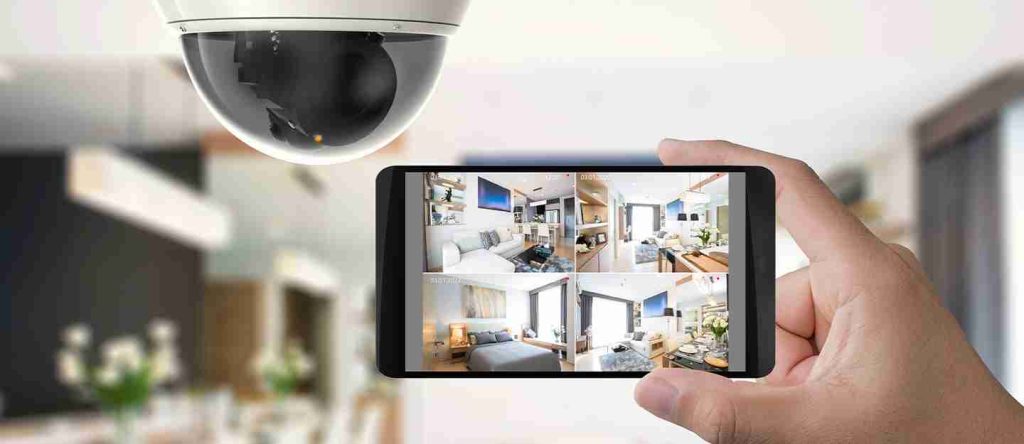
- Live video monitoring through mobile apps
- Two-way audio on cameras and doorbells
- Night vision for 24-hour protection
- Cloud storage for recorded footage
- Instant alerts for unusual activity
These features give homeowners full control over their Home-Security at all times. It is like having a personal security guard that never sleeps.
Case Study: Smart Security in a Busy Neighborhood
In a crowded city neighborhood, one family installed a full smart Home-Security setup with cameras, smart lights, and a video doorbell. Within weeks, they caught footage of someone trying to steal packages from their porch. The recorded video helped police identify the suspect. The crime stopped, and other neighbors decided to upgrade their Home-Security as well. This shows how one smart decision can improve safety for an entire community.
Artificial Intelligence and Home Security
Artificial Intelligence, often called AI, is now reshaping Home Security in powerful ways. AI allows systems to learn patterns, recognize faces, and tell the difference between a person, an animal, and a moving tree branch.
How AI Improves Home Security
AI-powered Home Security systems can:
- Reduce false alarms caused by pets or wind
- Recognize family members and trusted visitors
- Detect suspicious behavior instead of just motion
- Learn daily routines and notice unusual activity
For example, if your system knows that you usually come home at 6 PM, it may send a warning if someone enters at 2 AM. This level of intelligence makes Home Security far more accurate and reliable.
AI as a Digital Watchdog
Think of AI as a digital watchdog. A real dog learns who belongs in the house and who does not. AI does something similar, but with cameras and data. It watches patterns and alerts you only when something truly seems wrong. This reduces stress and builds trust in your Home Security system.
The Rise of Wireless Home Security
Traditional Home Security systems relied on physical wires running through walls. Today, wireless Home-Security is becoming the standard. These systems use Wi-Fi, cellular networks, and Bluetooth to stay connected.
Advantages of Wireless Home Security
Wireless Home Security systems offer many benefits:
- Easy installation without drilling walls
- Flexible placement of sensors and cameras
- Quick upgrades with new devices
- Fewer maintenance issues from damaged wires
Renters especially benefit from wireless Home-Security because they can install and remove systems without harming the property. This makes protection more accessible to everyone, not just homeowners.
Smart Locks and Keyless Entry
Smart locks are changing the way people think about doors and keys. Instead of carrying metal keys, many homeowners now unlock their doors using phone apps, keypads, or even fingerprints.
How Smart Locks Improve Home Security
Smart locks offer:
- Temporary access codes for guests
- Automatic locking when you leave
- Alerts when someone enters or exits
- Remote locking from anywhere
Imagine a child coming home from school while a parent is still at work. The parent can receive an alert when the door unlocks and know the child arrived safely. This level of control adds a new layer of trust and safety to Home Security.
Video Doorbells and Front Door Protection
The front door is the most common entry point for both guests and intruders. Video doorbells have become one of the most popular Home-Security tools because they allow users to see and speak to visitors without opening the door.
Why Video Doorbells Matter in Home Security
Video doorbells help by:
- Showing who is at the door in real time
- Recording activity near entry points
- Allowing two-way communication through a phone
- Scaring away potential intruders with visible cameras
Delivery drivers, visitors, and even strangers are recorded. This simple tool has changed how people manage their Home-Security at the front of their homes.
Cybersecurity and Home Security
As Home-Security becomes smarter, it also becomes more digital. This means cybersecurity is now a major part of physical safety. Hackers may try to access cameras, locks, or alarms if systems are not properly protected.
Protecting Your Home-Security from Hackers
Strong digital protection includes:
- Using strong, unique passwords
- Enabling two-factor authentication
- Keeping software updated
- Using secure home Wi-Fi networks
A Home-Security system is only as strong as its weakest digital link. Protecting the system online is just as important as locking the front door.
Cloud Storage and Data in Home Security
Many Home-Security systems store video and data in the cloud. This allows users to access recordings from any device at any time. Cloud storage also protects footage even if a camera is damaged or stolen.
Benefits of Cloud-Based Home Security
Cloud storage in Home-Security provides:
- Easy access to video history
- Secure backups of important recordings
- Sharing options with police or insurance companies
- Better system performance through updates
This feature turns your Home-Security system into a long-term safety record, not just a real-time monitor.
Home Security for Apartments and Small Homes
Home-Security is no longer limited to large houses. Apartments, dorms, and small homes now use compact but powerful protection systems.
Apartment-Friendly Home Security Options
Many small-space Home-Security solutions include:
- Indoor cameras
- Window and door sensors
- Portable alarms
- Smart locks
A college student living alone can set up a full Home Security system using only a few wireless devices. This flexibility shows how modern Home-Security adapts to every lifestyle.
Outdoor Home Security and Property Protection
Outdoor areas like yards, garages, and driveways are now major parts of Home-Security planning. Outdoor cameras, floodlights, and motion sensors help prevent crimes before they begin.
How Outdoor Home Security Works
Outdoor Home-Security tools can:
- Detect movement near property lines
- Illuminate dark areas with motion lights
- Record suspicious activity around vehicles
- Send alerts when someone enters restricted zones
One homeowner used outdoor Home-Security cameras to stop repeated vandalism in their driveway. The visible cameras and recorded footage discouraged further damage. This is a clear example of prevention through awareness.
Home Security and Neighborhood Safety
Home Security is no longer just an individual effort. Many neighborhoods now use shared systems, group alerts, and community-based apps. When one camera detects suspicious activity, neighbors can be warned quickly.
Community-Based Home Security
Community Home-Security often includes:
- Shared alert platforms
- Neighborhood camera networks
- Local crime updates
- Group reporting tools
This shared approach turns entire neighborhoods into protective networks. Safety becomes a group effort rather than a private concern.
Environmental Sensors in Home-Security
Home-Security now includes environmental protection as well. Sensors can detect smoke, carbon monoxide, gas leaks, and even water damage.
Environmental Safety and Home-Security
Modern Home-Security protects against:
- Fires through smart smoke detectors
- Poisonous gases with CO sensors
- Floods using water leak detectors
- Extreme temperatures with climate sensors
These tools turn Home-Security into a complete home protection system, not just an anti-theft tool.
Mobile Apps and Remote Control in Home Security
Mobile apps have transformed how users interact with Home-Security. Everything from locking doors to viewing live video can be done with a phone.
What Mobile Control Adds to Home-Security
Mobile apps provide:
- Remote access from anywhere
- Instant push notifications
- Easy system management
- Real-time control of sensors and locks
This puts full Home-Security power into the palm of your hand. Parents, travelers, and busy professionals all benefit from this flexibility.
Home Security for Families and Children
Home-Security plays a special role in protecting children. From tracking entries and exits to monitoring play areas, parents now have better tools than ever.
Child Safety and Home Security
Family-focused Home-Security features include:
- Alerts when doors open
- Cameras in play areas
- GPS tracking through connected devices
- Emergency panic buttons
These tools give parents peace of mind while allowing children more independence in safe ways.
Energy Efficiency and Home Security
Surprisingly, Home-Security systems can also help save energy. Smart lights, thermostats, and sensors work together to reduce waste.
Energy-Smart Home-Security
Energy benefits include:
- Lights that turn off when no movement is detected
- Smart thermostats that adjust when no one is home
- Automated systems that improve efficiency
This makes Home-Security part of a smarter, more sustainable lifestyle.
Challenges Facing the Home Security Industry
While Home-Security is advancing rapidly, challenges still exist. High costs, data privacy worries, and system compatibility issues can slow adoption.
Common Problems in Home-Security
Some homeowners face:
- Expensive monthly subscription fees
- Confusing installation processes
- Privacy concerns over video data
- Device compatibility issues between brands
The industry continues to address these concerns through better pricing, simpler designs, and stronger privacy policies.
The Future of Home-Security
The future of Home-Security is expected to include even deeper integration with artificial intelligence, robotics, and smart cities. Homes may one day predict threats before they happen.
Upcoming Home-Security Innovations
Future Home-Security may include:
- Drones for perimeter monitoring
- Robots for indoor patrols
- Advanced facial recognition
- Fully automated emergency response systems
These innovations suggest that Home-Security will soon move beyond reaction and into prevention and prediction.
Home Security Buying Tips for Smart Consumers
Choosing the right Home-Security system can feel overwhelming. With so many options, it is important to focus on real needs rather than flashy features.
Smart Home Security Buying Tips
Before choosing a Home-Security system, consider:
- Size and layout of your home
- Indoor and outdoor coverage needs
- Budget for equipment and subscriptions
- Ease of use and mobile access
- Cybersecurity protections
A small apartment may only need a few cameras and sensors, while a large home may require a full system.
How Home Security Changes Daily Life
Home-Security quietly changes how people live every day. Families worry less, sleep better, and travel with more confidence. Simple habits like checking doors before bed are now supported by digital checks and alerts.
The Emotional Side of Home-Security
Home-Security is not just about technology. It is about peace of mind. When people feel safe, they focus better at work, enjoy holidays more, and relax at home. Safety builds confidence, and confidence improves quality of life.
Conclusion
Home Security has evolved from simple alarms into intelligent, connected protection systems that guard against crime, fire, cyberattacks, and environmental dangers. Smart devices, artificial intelligence, wireless networks, and mobile control now work together to protect modern families in powerful ways. From apartments to large homes, Home-Security has become flexible, affordable, and deeply personal. It protects children, supports communities, saves energy, and even helps prevent disasters.
As technology continues to grow, Home-Security will only become smarter, faster, and more predictive. The most important trend is not just the tools themselves, but how they empower people to take control of their safety. Investing in Home-Security today is not just about protecting property. It is about protecting lives, memories, and peace of mind. At Deep Dive Picks, we believe understanding these trends helps you make better choices and stay one step ahead in a changing world. We update our homepage regularly with new features and highlights.
FAQs
What is the most important part of a Home Security system?
The most important part of a Home-Security system is its ability to detect and alert you in real time. Cameras, motion sensors, and mobile alerts work together to ensure you know what is happening at all times.
Is Home-Security only for large houses?
No, Home Security is designed for all living spaces, including apartments, dorms, and small homes. Portable wireless devices make protection accessible to everyone.
How does artificial intelligence improve Home-Security?
Artificial intelligence helps Home Security systems recognize faces, avoid false alarms, learn daily routines, and detect suspicious behavior more accurately than traditional systems.