
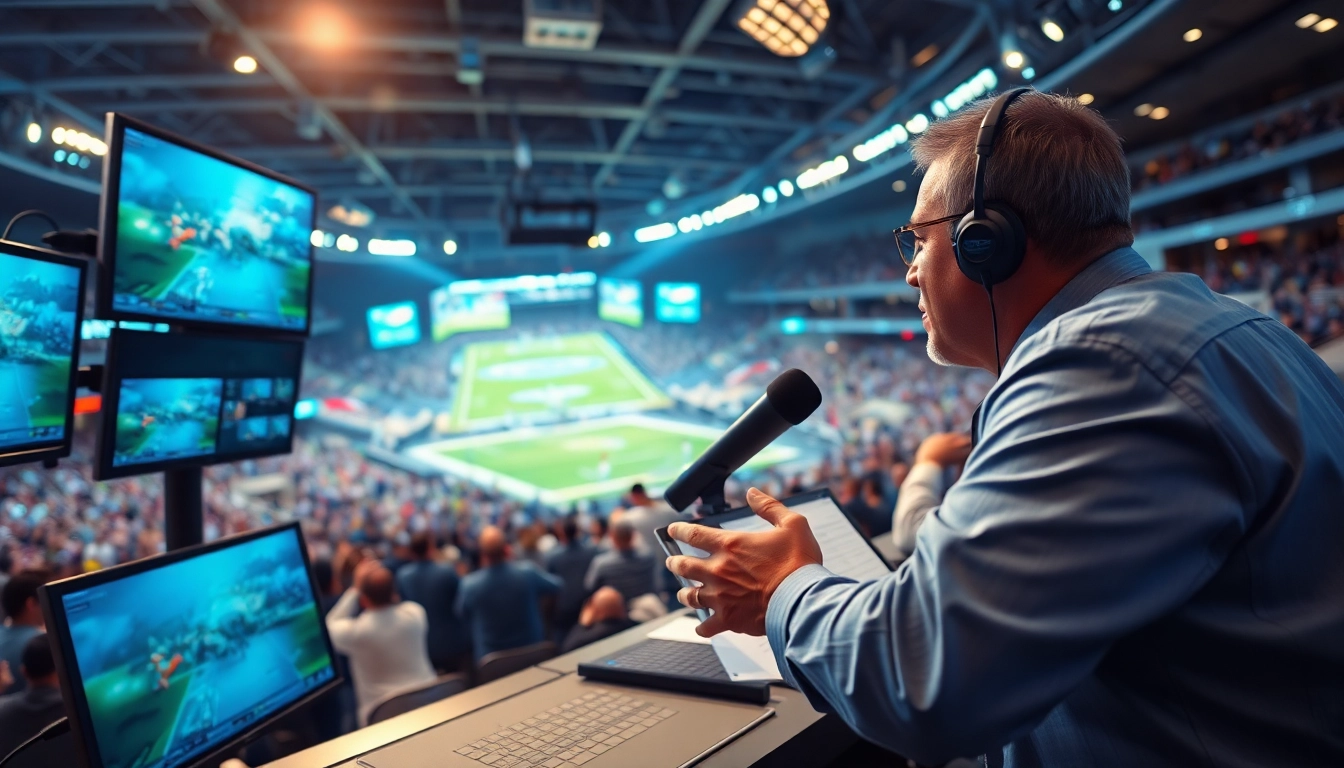
Understanding Sports Broadcasting
Definition and Importance of Sports Broadcasting
Sports broadcasting refers to the transmission of sports events on various media platforms including television, radio, digital platforms, and social media. This dynamic field is critical as it connects fans with their favorite teams and players, creating an engaging experience. It informs viewers about live events and provides insights, expert commentary, and analysis that enhance the viewing experience.
In a world where entertainment options are plentiful, Sports Broadcasting serves as a bridge between the game and its audience, fostering a sense of community and shared enthusiasm among fans.
Types of Sports Broadcasting Platforms
With technological advancements, the methods of sports broadcasting have diversified significantly. Here are the primary types of platforms:
- Television: Traditional sports broadcasting primarily occurs through cable or satellite television networks. Major sports networks dominate this space, delivering top-notch coverage.
- Radio: Radio broadcasts provide real-time commentary and analysis, often serving those who prefer audio content or are on the move.
- Online Streaming: Digital platforms like YouTube, Twitch, and specific sports channels offer live streaming, allowing viewers to watch games from anywhere with an Internet connection.
- Social Media: Platforms such as Twitter, Facebook, and Instagram have introduced live broadcasts and highlights, making content immediately available to a global audience.
- Mobile Applications: Dedicated sports apps allow fans to follow live scores, highlights, and updates tailored to their preferences.
The Role of Technology in Sports Broadcasting
Technology plays a vital role in redefining how sports are broadcasted. From high-definition video and virtual reality experiences to analytics and data broadcasting, technology enhances viewer engagement. Innovations such as instant replay, player tracking, and augmented reality graphics provide a richer narrative. Moreover, statistics and data visualizations in broadcasts help inform audience understanding and engagement with the game dynamics.
Getting Started in Sports Broadcasting
Essential Skills for Aspiring Broadcasters
A career in sports broadcasting demands a diverse skill set. Essential skills include:
- Communication Skills: Effective verbal communication is crucial for engaging audiences and articulating thoughts clearly.
- Technical Proficiency: Familiarity with broadcasting equipment, software, and live streaming technologies is vital.
- Research Abilities: Broadcasters must conduct thorough research about teams, players, and statistics to provide informed commentary.
- Critical Thinking: Analyzing game plays and providing insights requires high-level critical thinking skills.
- Interpersonal Skills: Building rapport with athletes, coaches, and other media professionals is critical in this industry.
Educational Pathways and Training Programs
There are numerous educational paths for aspiring sports broadcasters. Many pursue degrees in journalism, communications, or media production. Specialized training programs and workshops facilitate skill development. Participation in internships at local radio or TV stations, as well as involvement with college sports broadcasting organizations, can provide hands-on experience and networking opportunities essential for advancing in this field.
Building Your Portfolio in Sports Broadcasting
A strong portfolio is essential for showcasing your abilities and experiences to potential employers. Start by creating demo reels that highlight your on-air presence and reporting skills. You can also contribute articles or reports to local newspapers or online platforms. Volunteering for college sports networks can help you gain valuable experience while building a professional network. Seek out opportunities to cover events, whether through internships, freelance work, or personal projects, and ensure that all your work is organized and easily accessible.
Strategies for Effective Sports Broadcasting
Engaging Your Audience During Broadcasts
Engagement is crucial in sports broadcasting. To captivate your audience, you can incorporate storytelling techniques that provide context to the game being broadcasted. Engage viewers with anecdotes, analysis, and interviews to create a more immersive experience. Encourage audience interaction via live polling and social media, which allows fans to share their thoughts and feelings during the broadcast, fostering a sense of community.
Utilizing Social Media for Greater Reach
Social media can be an invaluable tool for expanding reach and interaction. Broadcasters should maintain an active presence by sharing highlights, behind-the-scenes footage, and engaging posts that resonate with the fan base. Utilize live tweeting during games or posting timely updates to encourage live audience interaction. This not only amplifies your reach but also enhances viewer engagement and loyalty.
Maintaining Professionalism in Sports Broadcasting
Maintaining professionalism is vital in building a solid reputation as a sports broadcaster. This includes respecting athletes, coaches, and teams, as well as delivering unbiased and fair commentary. It’s crucial to adhere to ethical journalism standards while making sure to prepare thoroughly for broadcasts to ensure you convey accurate information. Enthusiasm combined with professionalism establishes credibility and fosters trust with the audience.
Challenges and Solutions in Sports Broadcasting
Managing Technical Difficulties Live
Technical difficulties can disrupt live broadcasts, causing potential embarrassment and audience disengagement. Being prepared for this scenario is key; have a contingency plan that includes backup equipment and alternative formats for content delivery. Training in technical aspects and practicing troubleshooting will equip broadcasters to handle unexpected challenges effectively.
Addressing Common Audience Concerns
In sports broadcasting, addressing audience concerns such as biased commentary or inadequate coverage is imperative. Engage with viewers by promoting transparency and openness. Listening to audience feedback allows broadcasters to make necessary adjustments to ensure that the coverage is egalitarian and meets the expectations of the fan base.
Adapting to Shifts in Viewer Preferences
Viewer preferences can shift rapidly due to changing technology and demographics. Sports broadcasters must stay adaptable, exploring new formats, styles, and platforms. This can involve experimentation with shorter highlight reels, immersive experiences like augmented reality, or interactive content accessible via mobile devices. Understanding audience analytics through data will assist in making insightful decisions that cater to evolving preferences.
The Future of Sports Broadcasting
Emerging Trends in Sports Broadcasting
Emerging trends suggest that the future of sports broadcasting will be driven by technology and changing audience behaviors. Features such as on-demand content, personalized viewing experiences, and enhanced interactivity through virtual reality (VR) and augmented reality (AR) will play an increasingly important role. Broadcasters must remain innovative to harness these trends and deliver enriched experiences that meet viewer demands.
The Impact of Streaming Services on Broadcasting
Streaming services have revolutionized sports broadcasting, shifting the landscape away from traditional cable models. With exclusive broadcasting rights and on-demand content, these platforms increasingly attract younger audiences looking for flexibility. Broadcasters must collaborate with these platforms to ensure broader reach and create engaging content tailored for streaming.
Preparing for the Next Generation of Sports Viewers
Adapting to the preferences of the next generation involves understanding their demand for interactive and personalized content. Generating unique angles about sports coverage through storytelling and data visualizations can enhance engagement. Broadcasters should prioritize digital engagement strategies, from podcasts to interactive mobile applications, to cultivate loyalty among emerging fan bases.
FAQs about Sports Broadcasting
What essentials are needed for sports broadcasting?
Essentials include strong communication skills, technical knowledge of broadcasting equipment, understanding sports events and rules, and the ability to engage with the audience through storytelling and analysis.
How do technology advancements influence sports broadcasting?
Technology advancements enhance viewer experiences through features like high-definition video, instant replays, and analytics graphics, providing deeper insights and engagement opportunities during broadcasts.
What skills are crucial for a successful career in sports broadcasting?
Crucial skills include clear communication, strong research and storytelling abilities, technical expertise, critical thinking for in-depth analysis, and interpersonal skills for building rapport within the sports community.
How can online platforms enhance sports broadcasting?
Online platforms can broaden audience reach, facilitate real-time interaction through social media, offer unique content formats like live streaming, and allow for previously inaccessible personalization of viewing experiences.
What are the common challenges faced in sports broadcasting?
Common challenges include managing technical difficulties, addressing viewer concerns over biased coverage, and adapting quickly to shifting viewer preferences in an evolving media landscape.